Quick answer
Common signs of rats in the loft are heavy scratching or thudding at night, droppings around 1 to 2 cm long, gnawed wood or cables, flattened or shredded insulation and greasy marks along beams. Mice leave smaller droppings and lighter pattering. Check the roofline for gaps, clear clutter, deter them from the hatch and beams, and call a professional if activity continues.
Lofts are warm, quiet and rarely visited, which makes them ideal for rodents once the first cold nights arrive. The noises usually start just after you go to bed. Here's how to work out what's up there and how to deal with it calmly.
Signs of rats in the loft: what to listen and look for
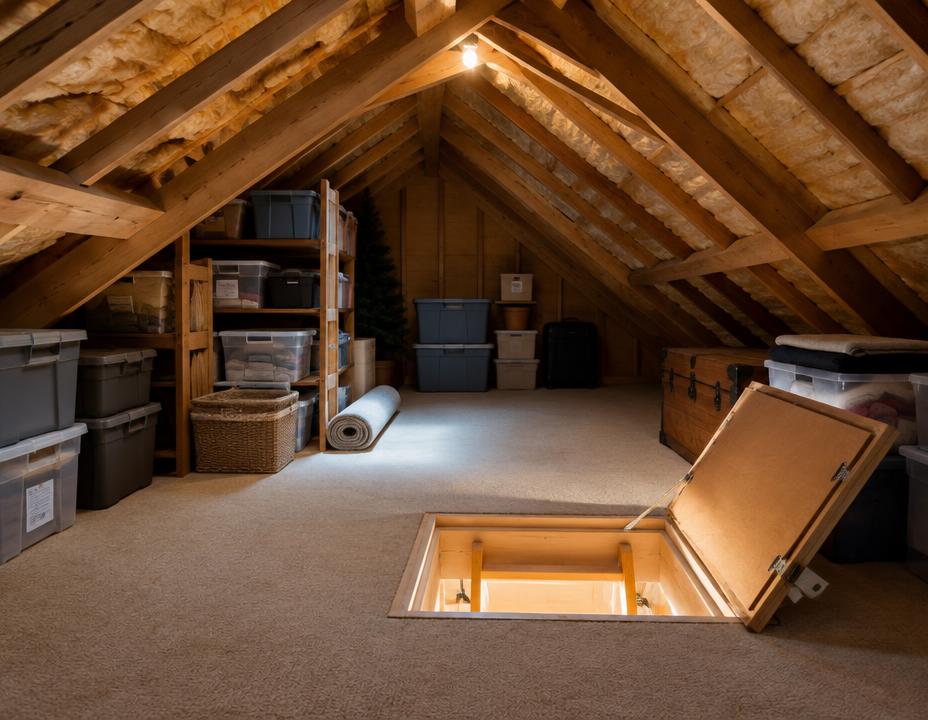
Most people first notice rodents in the loft by sound. Activity tends to be loudest at dusk and in the early hours. Rats are heavy enough to produce thuds, dragging and scraping noises; mice sound lighter and quicker.
When you go up with a torch, look along the joists, around the hatch, near the water tank and beside stored boxes. Rodents follow the same routes repeatedly, so signs cluster along edges.
- Droppings along joists and near the hatch
- Gnaw marks on wood, plastic boxes or cables
- Shredded insulation, paper or fabric used as nesting
- Dark greasy smear marks along beams and pipework
- A strong ammonia-like smell
- Runs or tunnels flattened into loose insulation
Rats or mice in the loft?
Knowing which rodent you have matters, because rats usually need stronger action and often professional help. Use several clues together rather than one.
| Sign | Mice | Rats |
|---|---|---|
| Droppings | Small, 3 to 6 mm, like grains of rice | Larger, around 1 to 2 cm, thicker |
| Noise | Light, quick pattering | Heavier thuds, scraping and dragging |
| Gnaw holes | Small, neat | 2 cm or more, rougher |
| Nesting | Small balls of shredded material | Larger nests, tunnels in insulation |
| Smell | Musty | Strong ammonia smell |
How rodents get into the loft
Rodents rarely appear in the loft by magic. Rats are agile climbers and can use ivy, drainpipes and rough brickwork to reach gaps at the eaves, soffits, fascias and around roof tiles. Mice can come up from inside the house through cavity walls and gaps around pipes and cables.
In UK homes, common routes include gaps where the soffit meets the wall, damaged roof vents, holes around soil pipes and gaps where extensions join the main roof. Terraced houses can have shared loft voids or gaps in party walls.
1inspect safely
Only walk on boarded areas or joists, never on plasterboard between them. Wear gloves and a dust mask, and don't disturb nests with bare hands. Take a torch and your phone to photograph signs.
Check outside too: walk around the house and look at the roofline from the ground for gaps, missing mortar and overhanging branches or ivy that act as ladders.
2remove clutter and food
Boxes of old clothes, paper and Christmas decorations make perfect nesting material. Move stored items into sealed plastic crates and clear space so you can see new signs.
Never store bird seed, pet food or food items in the loft.
3deter rodents from the hatch and beams

While you plan repairs, make the loft less inviting. Because there's rarely a socket in a loft, plug-in repellers aren't practical. A power-free deterrent placed along the routes you've found is easier.
MintGuard peppermint balls can be placed beside the hatch, along beams near droppings and near stored boxes. Each placement lasts around 30 to 60 days. Follow the pack instructions and keep away from wiring.
4seal entry points properly
Once activity has dropped, or as part of a professional plan, seal gaps at the eaves and around pipes with wire wool and sealant, metal mesh or purpose-made rodent-proofing. Trim back ivy and branches that touch the roof.
Don't block roof ventilation or seal openings while animals may still be inside, as this can trap them.
Mistakes to avoid
Common mistakes include putting poison in the loft (rodents may die inside the ceiling, causing smells), sealing holes with expanding foam alone, and ignoring signs because the noise stops for a few nights.
- Don't store food or seed in the loft
- Don't step between joists
- Don't block roof vents
- Don't wait if you hear rats every night
When to call a professional
Call a pest controller if you're confident you have rats, if activity continues for more than a week or two, if cables are damaged, or if you can't reach the areas involved. Bats are protected in the UK, so if you suspect bats rather than rodents, get specialist advice before doing anything.
Common questions
How do I know if I have rats or mice in my loft?
Rats leave larger droppings (around 1 to 2 cm) and make heavier thudding noises; mice leave small rice-sized droppings and lighter pattering. Gnaw holes of 2 cm or more also suggest rats.
How do I get rid of mice in the loft?
Clear clutter, store items in sealed crates, place a deterrent by the hatch and along beams, then seal gaps at the eaves and around pipes once activity drops.
Will rats in the loft go away on their own?
Rarely, while there's shelter and nearby food. Remove nesting material, deter them and seal entry points, and call a professional for an established problem.
Can rats in the loft get into the house?
Yes, through cavity walls, gaps around pipes and cables, and the loft hatch. Check bedrooms and the airing cupboard for signs.
Is it safe to go into a loft with rats?
Yes, with care. Wear gloves and a dust mask, walk only on joists or boards, and don't touch droppings, nests or damaged wiring.
What time of year do rats go into lofts?
Activity often rises in autumn and winter as temperatures drop, but rodents can use lofts all year round.
Looking for a product? See our rat repellent page.
Sources and further reading
Written by the MintGuard UK team
Researched from trusted UK sources and checked under our editorial policy. Last reviewed 26 October 2026.