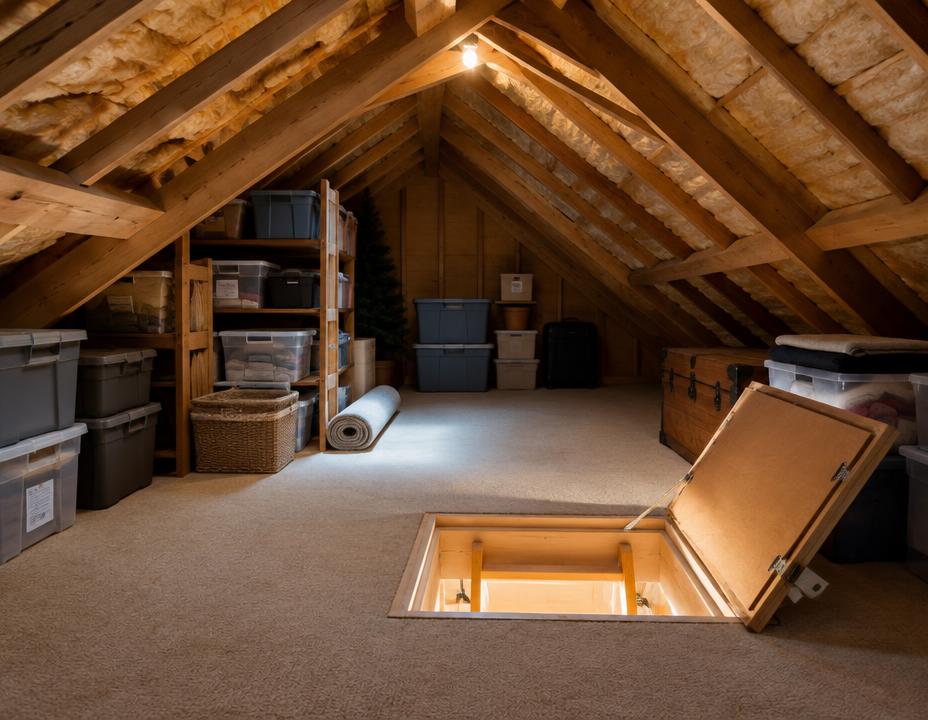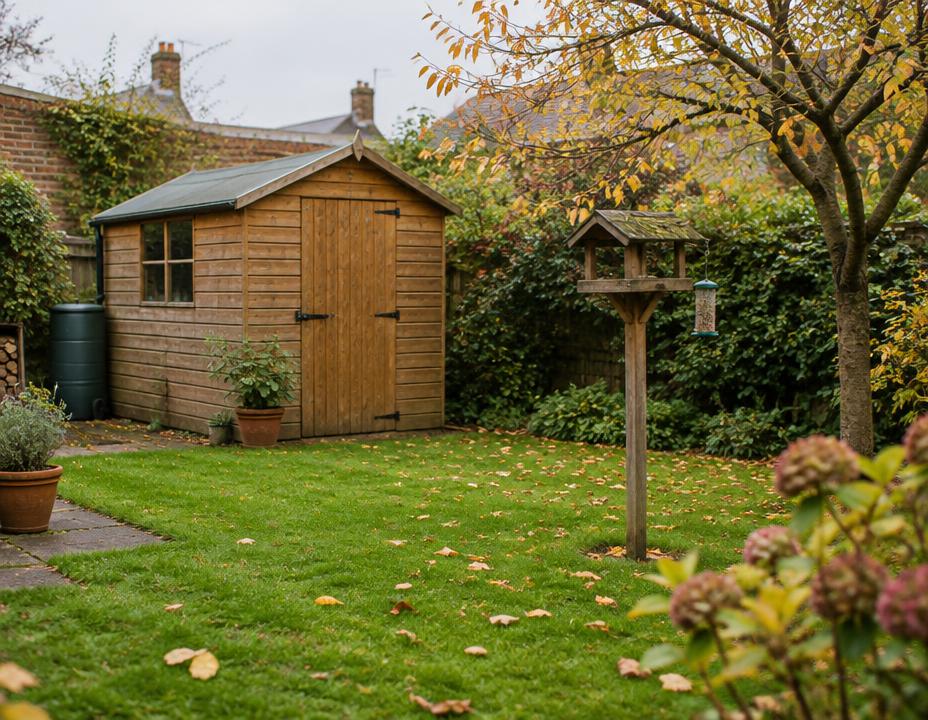
Quick answer
To get rid of rats, remove accessible food and water, identify their routes and arrange suitable control for an active infestation. Repair entry points as part of a coordinated plan, rather than trapping animals inside. A natural rat deterrent helps make sheds, garages and lofts less inviting, but it supports proofing and professional help rather than replacing them.
Finding rats in the house can make even a familiar kitchen feel uncomfortable. You do not need to tackle everything at once: start by protecting food, recording the signs and working out whether the problem needs a pest controller before making permanent repairs.
How to get rid of rats: confirm the signs first
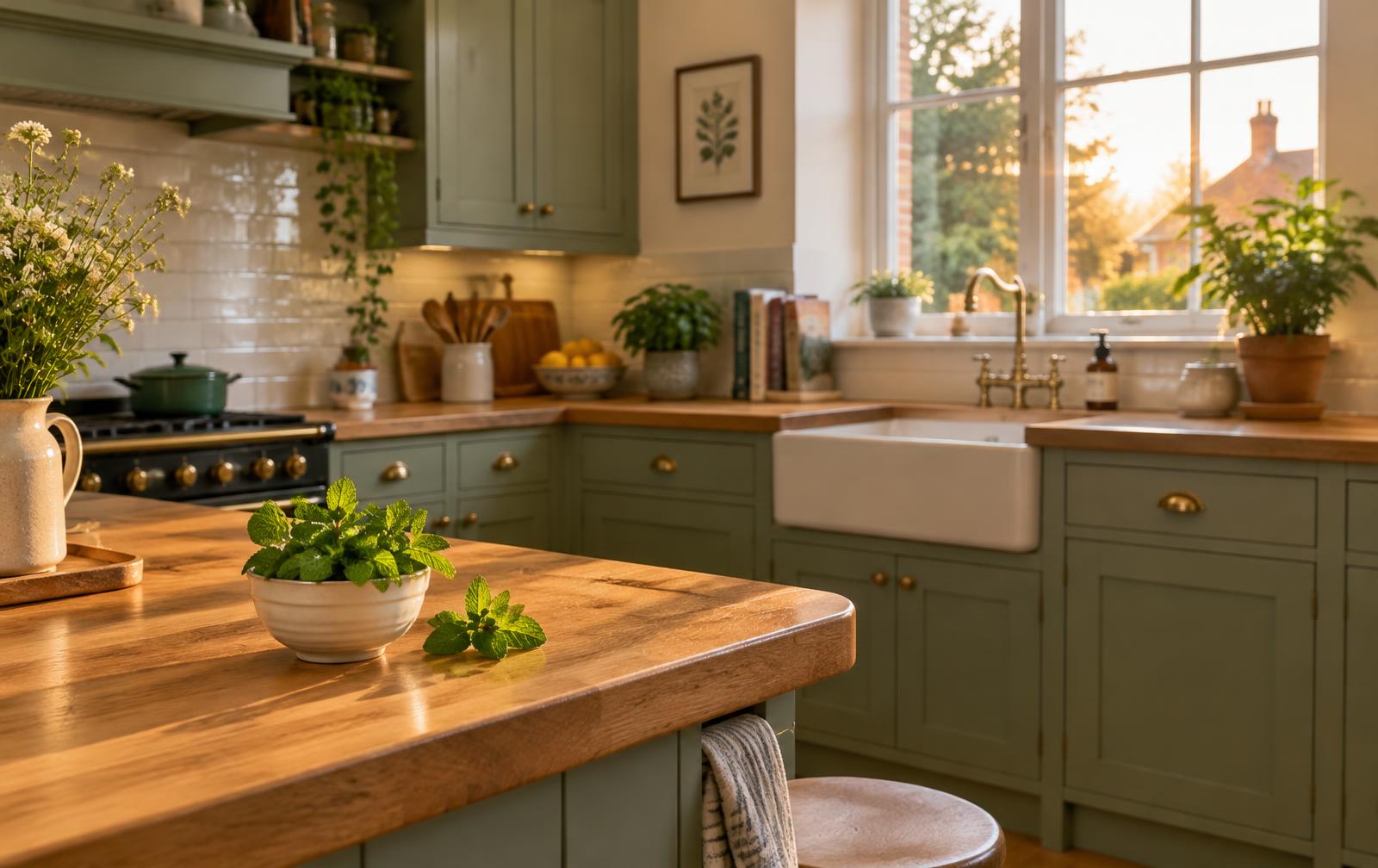
A noise behind a cupboard is a reason to investigate, not proof that you have rats. Look for several signs together: droppings, gnawed packaging, disturbed stored materials, tracks in dusty areas and repeated sightings. Photograph what you find without handling it, and note the room, date and approximate location.
Rats and mice need different assessments, while birds or other wildlife can also make noises in roofs. Dropping size alone is not a reliable identification method for a homeowner. If the signs are unclear, send photographs to a pest controller rather than buying several treatments on a guess.
Check accessible areas in daylight with a torch. Do not crawl into tight voids, lift unsafe floorboards or move heavy appliances alone. Keep children and pets away from suspected contamination while you decide on the next step.
- Check behind accessible kitchen plinths and around pipe entries.
- Look for damaged food bags in cupboards, sheds and garages.
- Inspect bin storage, compost areas and spilled bird food outside.
- Record new signs separately from old marks or historical damage.
Why rats come into UK homes
Food, water and shelter are the main things to investigate. Accessible rubbish, pet food, bird seed and sheltered storage can make a property attractive. Rats are not simply a sign of poor housekeeping: a neighbouring problem or an unnoticed building defect can matter just as much.
Autumn and winter often prompt homeowners to notice activity around warmer buildings, but problems can happen throughout the year. A tidy kitchen will not prevent entry if there is an accessible route beneath a door, around a service pipe or through damaged building fabric.
Older terraces may have connected spaces, while extensions and converted garages can introduce awkward junctions between old and new construction. Recurring activity near drains warrants professional investigation; do not assume every indoor rat has arrived through an open door.
1protect food and make the area less attractive
Put opened dry foods into robust, securely closing containers and discard food or packaging that appears contaminated or gnawed. Wipe food preparation surfaces before use. Empty crumbs from accessible corners and avoid leaving washing-up, leftovers or pet food available overnight.
Outside, close bin lids properly and clear spilled waste around them. Store animal feed securely and pause ground-level bird feeding if it is attracting rodents. Reduce unnecessary clutter beside walls so that you can inspect the building edge without disturbing a hidden animal.
Fix ordinary leaks where you can do so safely. These changes will not necessarily remove established rats; their purpose is to stop feeding the problem while suitable control and repairs are organised.
- Check under the toaster, cooker edge and accessible appliances.
- Store pet food and bird seed in secure containers.
- Clear fallen fruit and regularly inspect outdoor feeding areas.
- Ask neighbours about shared bin stores or adjoining activity.
2decide whether you need professional control
Confirmed rats indoors justify prompt contact with a qualified pest controller or your council's pest service. This is particularly important where the route is hidden, several rooms are affected, or there is damage near electrical cables, plumbing or food storage.
Ask what the visit includes: inspection, treatment choices, follow-up checks and advice on proofing should be clearly explained. Mention children, pets, wildlife and neighbouring properties before work begins.
Avoid buying loose poison or putting bait into inaccessible voids. If a pesticide is used, it must be appropriate for the situation and used exactly as its label requires.
3find and repair the access routes
Inspect the outside of the building as well as the room where signs appeared. Look around service pipes, door thresholds, damaged masonry, air bricks and the junctions around extensions. Photograph suspicious openings and ask the controller which are likely to be active.
Coordinate permanent sealing with the control plan. Blocking the most obvious opening while animals remain inside can leave the underlying problem unresolved and may redirect activity elsewhere.
Use durable, suitable repair materials rather than relying on expanding foam alone. Keep required ventilation and drainage working. A damaged air brick may need a purpose-made protective solution, while a suspected drain defect needs someone qualified to inspect and repair it.
| Area to inspect | Possible issue | Sensible next action |
|---|---|---|
| External door | Damaged threshold or gap | Arrange a suitable door repair or brush strip |
| Service pipe | Unsealed opening through the wall | Check for activity, then coordinate a durable repair |
| Air brick | Broken or unprotected opening | Protect access without blocking ventilation |
| Drainage area | Recurring activity or suspected defect | Ask about a professional drainage inspection |
4clean carefully and monitor what changes
Avoid dry sweeping or vacuuming rodent droppings, which can disturb contaminated dust. For small, accessible contamination, use suitable protective gloves and a disinfectant according to its instructions; extensive contamination is a professional clean-up job.
Never mix cleaning products. Keep food, utensils and children's belongings away from the work, and wash your hands thoroughly afterwards. Do not handle live, injured or dead rats with bare hands.
Once the area has been cleaned, keep a dated record of fresh signs. Monitoring is about new evidence, not whether an old stain remains.
Where a natural rat deterrent fits in
Rats rely heavily on smell to find food and safe routes. A strong, long-lasting peppermint scent placed along those routes helps make sheds, garages, lofts and utility areas less inviting while you remove food and repair access.
MintGuard contains 12 peppermint balls per pack, with no poison, no traps and no power needed, so it can go where plug-in devices can't. Each placement lasts around 30 to 60 days. Follow the pack instructions and keep out of reach of children and pets.
Use positions allowed by the pack instructions, away from food-contact surfaces and appliance heat. Don't scatter balls into cavities or drains where they can't be retrieved. A deterrent supports proofing and control; it doesn't replace them for an established infestation.
- Utility-room perimeter, away from food storage.
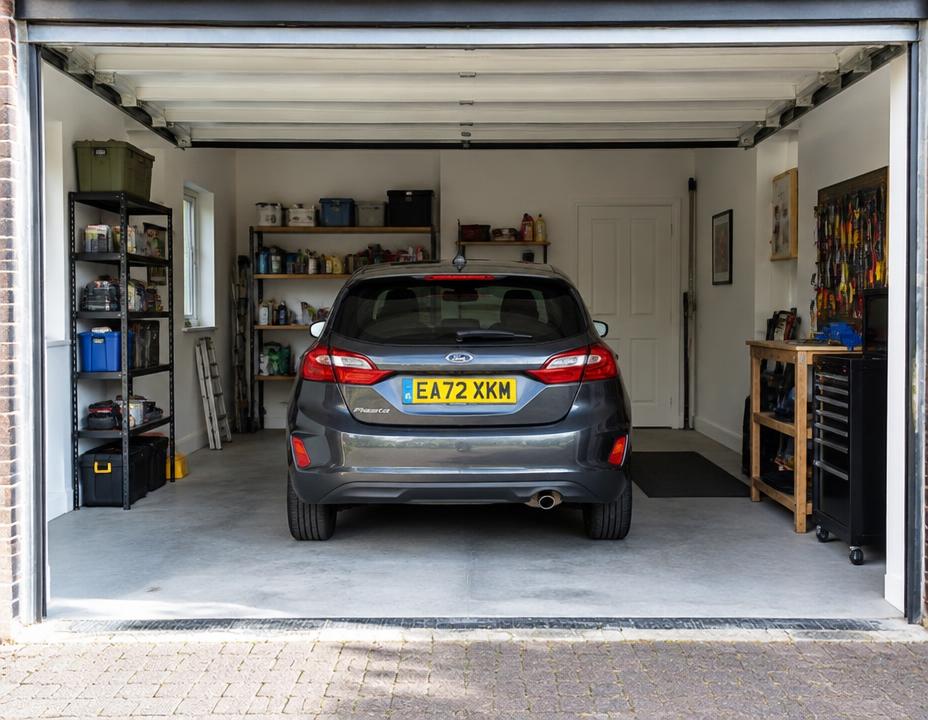
- Dry garage wall edge out of reach of children and pets.
- Shed corners near stored seed or feed.
- Beside the loft hatch and along accessible beams.
Mistakes that let the problem continue
The biggest mistake is changing products without changing conditions. No product will compensate for overflowing bins, loose animal feed or an open route into the building. Hearing nothing for a night is not enough to conclude that the problem has ended.
Avoid disturbing treatment equipment or moving it between rooms without asking the person responsible for the control plan. Keep a single record of work, sightings and repairs.
In rented accommodation, report the problem promptly in writing and include photographs. Responsibility can depend on the cause and tenancy circumstances.
- Don't block ventilation while sealing gaps.
- Don't leave contaminated food available for later sorting.
- Don't postpone reporting repeated indoor signs.
- Don't forget to replace deterrents on schedule.
When to escalate, and how to prevent a repeat
Seek prompt professional help if fresh signs continue, activity spreads or rats return after treatment. Repeated problems may require a closer look at shared access, drainage or a neighbouring source.
Treat damaged wiring or a suspected gas or water leak as a separate safety issue. If you become unwell after possible exposure to rodent urine or contaminated material, seek medical advice and explain the exposure. Leptospirosis is rare in the UK, but the NHS advises assessment for relevant symptoms after possible exposure.
After control, keep the useful habits: secure food, maintain bin areas, inspect repairs and refresh deterrents in sheds, garages and lofts before winter.
Common questions
What is the fastest way to get rid of rats in the house?
Protect food, remove accessible waste and contact a qualified pest controller promptly. The quickest useful response is an inspection-led plan: identify the access route and coordinate repairs with control so that animals are not simply sealed inside.
Will rats leave if there is no food?
Removing accessible food makes the property less attractive, but resident rats may find food elsewhere or use hidden spaces for shelter. Keep food secure while arranging identification, control and proofing.
What smell do rats hate?
Rats rely on smell, and strong scents such as peppermint are widely used to make areas less attractive to them. Scent works best combined with removing food and sealing entry points.
Should I block a rat hole straight away?
Photograph the opening, then check whether it is part of an active route. Permanent sealing should fit the control plan, especially when rats may still be indoors. Never block ventilation or drainage.
Can I get rid of rats without poison?
Start with removing attractants, inspecting access, deterring rats from sheds and garages and arranging durable proofing. Ask a qualified controller about non-poison options for an established infestation.
Who should I call about rats in a rented house?
Tell your landlord or managing agent promptly and keep a written record with photographs. Your local council may offer pest services or advice. Responsibility depends on the circumstances.
Looking for a product? See our rat repellent page.
Sources and further reading
Written by the MintGuard UK team
Researched from trusted UK sources and checked under our editorial policy. Last reviewed 26 October 2026.