Quick answer
To keep mice out of your car and garage, remove food (pet food, bird seed, wrappers), fit a brush strip under the garage door, seal gaps around pipes, store items in sealed crates and place a power-free deterrent in the garage and inside the car, never on hot engine parts. Check the engine bay if the car has been parked for a while.
A parked car is warm after a drive, sheltered and quiet, especially in a garage. Mice can nest in the engine bay, air filter box or cabin and chew wiring, which can lead to expensive repairs and warning lights.
Signs of mice in your car
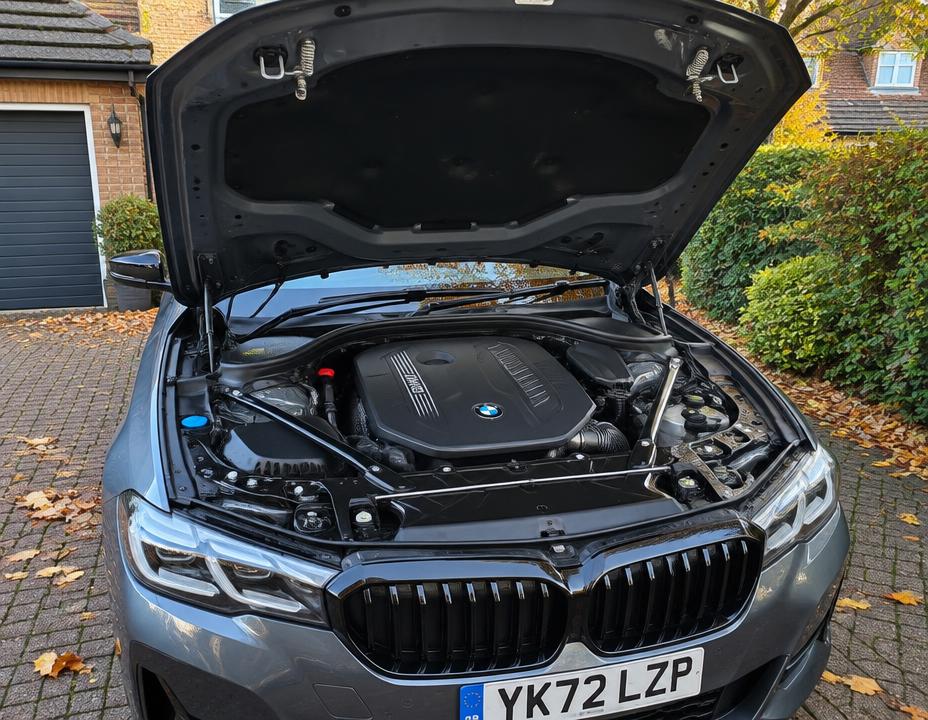
Mice in cars often go unnoticed until something goes wrong. Check the car if it has been parked for more than a few days, particularly in autumn and winter.
- Droppings on the engine cover, battery tray or in footwells
- Nesting material (leaves, insulation, paper) in the air filter box or under the bonnet
- Chewed wiring, hoses or sound insulation
- A musty smell from the heater vents
- Dashboard warning lights after the car has been parked
Signs of mice in the garage
Garages often store exactly what mice want: bird seed, pet food, cardboard and quiet corners. Look along walls, under shelving and behind stored items for droppings, gnawed bags and shredded cardboard.
Why mice choose cars and garages
In cold weather a recently driven engine bay offers warmth. Cars parked for long periods, such as second cars, classic cars and caravans, are especially at risk.
Garages attached to the house can also act as a route into the home through gaps around pipes and the internal door.
1remove food from the garage and car
Take food wrappers, crumbs and snacks out of the car. In the garage, move bird seed, grass seed, pet food and animal feed into sealed metal or heavy plastic bins.
- Vacuum the car interior and boot
- Store seed and pet food in sealed bins
- Replace cardboard boxes with sealed crates
- Clear clutter along walls
2block the way in
Fit a brush strip or rubber seal to the bottom of the garage door, check gaps at the sides of up-and-over doors, and seal holes around pipes and cables with wire wool and sealant.
Check the internal door from the garage to the house and fit a draught strip if needed.
3place a deterrent in the garage and car
Because cars and many garages don't have convenient sockets, plug-in repellers aren't practical. A power-free scent deterrent is easier.
Place MintGuard peppermint balls in garage corners, along walls, near stored seed and in the car's footwells or boot. Never put anything on or near hot engine parts or moving components. Each placement lasts around 30 to 60 days. Follow the pack instructions and keep out of reach of children and pets.
| Location | Where to place | Notes |
|---|---|---|
| Garage | Corners, along walls, near seed and pet food | Away from heat sources |
| Car cabin | Footwells, under seats | Remove before driving if it could roll under pedals |
| Boot | Corner of the boot | Good for cars parked long-term |
| Engine bay | Not recommended | Never place on hot or moving parts |
4check regularly
Open the bonnet every week or two in winter if the car is parked for long periods. Look for droppings and nesting material and check the air filter box.
When to call a professional
If mice return despite these steps, or you suspect rats in the garage, contact a pest controller. Check whether your car insurance covers rodent damage.
Common questions
How do I stop mice nesting in my car?
Remove food from the car and garage, seal the garage door gap, place a deterrent in the garage and the car cabin or boot, and check the engine bay regularly in winter.
Can mice damage car wiring?
Yes. Mice and rats gnaw wiring and hoses, which can cause faults and warning lights. Have chewed wiring checked by a mechanic before driving.
Where do mice hide in a car?
Common spots include the air filter box, under the engine cover, behind the dashboard, in the boot and under seats.
Does peppermint keep mice out of cars?
Peppermint is widely used as a deterrent in cars because it needs no power. Place it in the cabin or boot, never on hot engine parts, alongside removing food and checking regularly.
Why are there mice in my garage?
Garages offer shelter and often store seed, pet food and cardboard. Gaps under doors and around pipes let them in.
Looking for a product? See our mouse repellent page.
Sources and further reading
Written by the MintGuard UK team
Researched from trusted UK sources and checked under our editorial policy. Last reviewed 26 October 2026.