Quick answer
Peppermint is widely used to deter mice and rats because they rely heavily on smell. It works best when the scent is strong, long-lasting and placed on their routes, combined with removing food and sealing entry points. DIY oil on cotton wool fades within days; longer-lasting formats are easier to maintain.
If you have heard scratching behind the kitchen units, a bottle of peppermint oil can sound like a simple answer. This guide explains how peppermint fits into dealing with mice or rats in a UK home, what it can and can't do, and how to use it properly.
Peppermint oil for mice and rats: what can you expect?
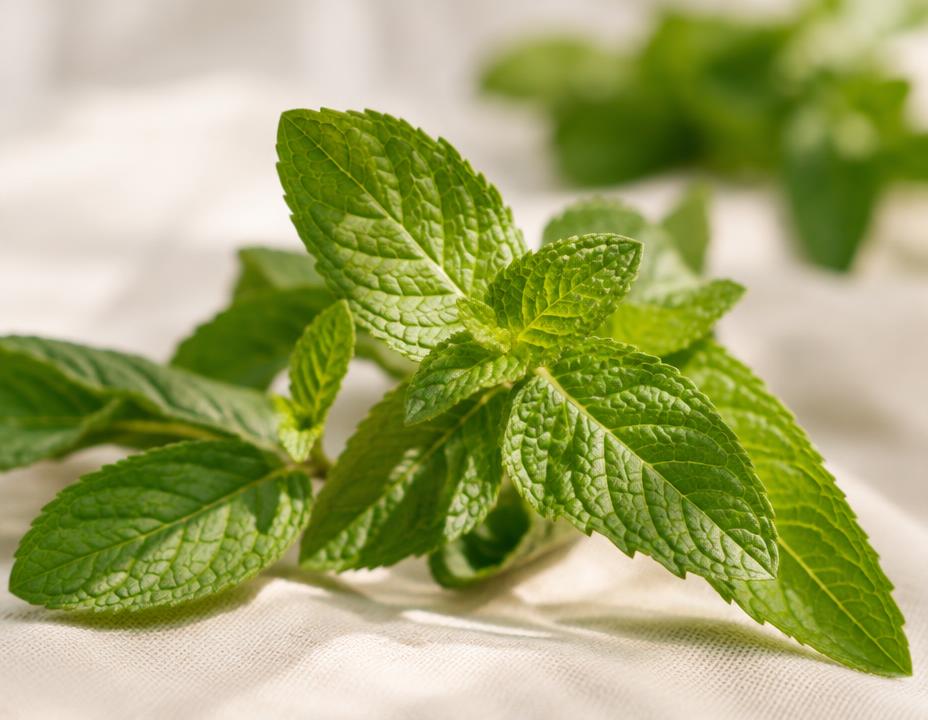
Mice and rats use smell to find food, recognise safe routes and follow each other's trails. A strong mint scent along those routes masks those signals and makes a space less comfortable, which is why peppermint is one of the most popular natural deterrents in the UK.
What peppermint can't do is physically close a gap or remove food. A mint-scented cupboard can still contain accessible food, nesting material and an opening behind the pipework. Think of it as one strong layer of a plan, not the whole plan.
The Advertising Standards Authority expects pest-repellent claims to be backed by evidence, so be wary of any product promising guaranteed results or fixed timescales. A measured approach gets the best out of peppermint.
Check whether you have mice, rats or something else
Before choosing any deterrent, collect the evidence. Look for gnawed packaging, droppings, disturbed storage and repeated sightings. Note where and when each sign appears. Scratching alone does not establish the species.
Look in accessible kitchen cupboards, under the sink, around utility-room pipework and at the edges of garage storage. Do not handle droppings, nests or animals with bare hands.
If the evidence suggests rats indoors, seek professional advice promptly as well as deterring them. Accurate identification prevents wasted spending.
- Photograph signs before cleaning.
- Record dates and locations.
- Check food packaging and nearby service openings together.
- Keep children and pets away from suspected contamination.
Why peppermint works best with the basics
Rodents enter buildings for food and shelter. Crumbs, accessible pet feed, cluttered storage and unsealed openings remain available regardless of how a room smells. Combining peppermint with removing those attractions is what makes the difference.
UK homes present different challenges. An older terrace may have connected spaces; an extension may have openings around services; a garage may contain animal feed. Cooler weather makes indoor shelter more appealing, so autumn is the time to act.
Judge progress by fresh signs, not the smell. If you have also cleaned, moved food and repaired a gap, all of those together are working for you.
Peppermint oil, sprays and balls compared
People searching for mint oil for rats find instructions for soaked cotton wool, homemade sprays, living mint plants and ready-made products. They aren't interchangeable: strength, handling and how long they last differ a lot.
Do not invent a dilution or copy a recipe that lacks safety instructions. Oil and water don't mix into a consistent spray, and homemade sprays can leave residues on surfaces.
The biggest practical difference is longevity. Oil on cotton wool can lose its strength within days, so you have to keep topping it up. Ready-made formats designed to release scent slowly are much easier to keep effective.
| Option | How long it lasts | Practical notes |
|---|---|---|
| Peppermint oil on cotton wool | Days | Needs frequent topping up; handle oil carefully |
| Homemade peppermint spray | Short | Mixing and surface residues are uncertain |
| Living mint plants | N/A | Too mild for an active problem |
| Prepared peppermint balls | Around 30 to 60 days (MintGuard) | Easy to place along routes and replace on schedule |
Handle peppermint products carefully
Natural does not mean suitable for unrestricted use. Do not put concentrated peppermint oil on food preparation surfaces, children's belongings, bedding or pet equipment. Keep oils and scented products out of reach and follow their instructions.
Avoid pouring oil into wall cavities, electrical sockets, appliance interiors or drains. Do not add it to cleaning chemicals.
If you have pets, ask a vet about any concerns involving the exact product. If a person or animal is exposed accidentally, follow the label's advice and get medical or veterinary guidance.
The practical steps to take alongside peppermint

First, protect food. Put opened dry goods and animal feed into robust containers with secure lids. Clear crumbs, empty waste and avoid leaving pet food out overnight. Look beyond the kitchen: garage bird seed can be part of the same problem.
Next, inspect the building. Check gaps around services, damaged door thresholds and broken masonry. Coordinate permanent sealing with a control plan if rodents may still be inside. Do not block air bricks or drainage.
Finally, clean and monitor. Avoid dry sweeping or vacuuming droppings. Once an area is clean, record fresh evidence.
- Secure human food, pet food and bird seed.
- Reduce clutter along walls.
- Photograph suspicious openings before repairs.
- Contact a controller for persistent signs or indoor rats.
- Keep a written record of cleaning, repairs and activity.
Where to place MintGuard
MintGuard contains 12 peppermint balls per pack, with no poison, no traps and no power needed. Follow the pack instructions and keep out of reach of children and pets.
Choose dry, accessible locations along walls and routes where the product can be checked and replaced: a utility-room perimeter, the kitchen plinth where permitted, a garage storage edge or beside the loft hatch.
Each placement lasts around 30 to 60 days. Make a note of where each ball is so you can retrieve and replace them on schedule.
One pack suits a single problem area. Larger homes, or homes with a loft and garage, usually need two to four packs.
Common mistakes with peppermint oil for mice
Advice online often mixes anecdote and confident promises. Be wary of fixed claims such as a guaranteed number of days until mice disappear.
Don't just keep adding oil if fresh signs continue: more scent won't fix an open gap. Look again at food and entry points.
Don't confuse replacement timing with inspection. Act on new evidence when you find it.
- Don't rely on scent alone to protect open entry points.
- Don't leave exposed oil within a child's or pet's reach.
- Don't apply products to food-contact surfaces.
- Don't postpone repairs.
When to call a professional
Seek professional help when fresh signs persist, several rooms are affected, activity is inside inaccessible structures or you suspect damage to wiring or pipes. Confirmed rats indoors deserve prompt assessment.
The RSPCA recommends preventing attraction and considering humane deterrence, while warning about the welfare consequences of poison and unsuitable traps.
For ongoing prevention, keep secure storage, good waste management, sound repairs and a long-lasting peppermint deterrent in place, especially from autumn through winter.
Common questions
Does peppermint repel mice?
Mice rely heavily on smell, and strong peppermint is widely used to make spaces less attractive to them. It works best when long-lasting, placed on their routes and combined with food storage, proofing and monitoring.
Does mint oil for rats actually work?
Strong mint scent can help make sheds, garages and lofts less inviting to rats. It can't close entry points, so confirm the signs, secure food and get professional advice for rats indoors.
Where do you put peppermint to keep mice away?
Along walls and routes where you've seen droppings: behind appliances, the kitchen plinth, utility cupboards, beside the loft hatch and in garages. Never pour oil into gaps or sockets.
How often should I replace peppermint for mice?
Oil on cotton wool fades within days. MintGuard placements last around 30 to 60 days. Keep checking for fresh signs independently of the replacement schedule.
Is peppermint oil safe around cats and dogs?
Don't assume a natural product is safe for pets. Keep products out of reach and away from food and sleeping areas, follow instructions, and ask your vet if you have concerns.
Can I use mint plants instead of peppermint oil?
Mint plants are pleasant in the garden but too mild to deal with an active problem. Use a stronger, longer-lasting format along routes indoors.
Looking for a product? See our rodent repellent page.
Sources and further reading
Written by the MintGuard UK team
Researched from trusted UK sources and checked under our editorial policy. Last reviewed 26 October 2026.