
Quick answer
The best natural rodent repellent for a UK home is one that suits the space, is easy to place on rodent routes, lasts between replacements and comes with clear instructions. Compare format, replacement interval and total cost. Peppermint oils, balls and sachets all work best alongside proofing and food control.
When you want an option with no poison, natural mouse repellent and rat repellent products look reassuringly simple. This guide compares types rather than competing brands, explains what you can reasonably expect and helps you avoid spending money on a scent while overlooking the real entry route.
Best natural rodent repellent UK: what does best mean?
The best choice is not necessarily the strongest smell or the largest bottle. A useful product must suit the exact location, have clear instructions and fit a prevention plan you can maintain. A scent product is a deterrent, not a repair or a trap.
This is a comparison of product types, not a laboratory ranking. The sources below support rodent identification, prevention and welfare advice.
Start by defining the job. You may want a deterrent in a dry garage or loft after proofing, or you may have repeated droppings in a working kitchen. The second situation needs investigation, and potentially professional help, as well as a deterrent.
Check whether you need a repellent or an infestation plan
Look for droppings, damaged food, gnawed materials and repeated noises. Record dates and locations without handling contaminated material. Persistent signs indoors mean you need to identify routes and address the animals present, alongside any natural product.
House mice may enter UK homes throughout the year, while wood mice are more often noticed indoors in winter. Terraces and flats can have shared routes; garages and sheds may contain seed or pet food.
Rats indoors, suspected nests, extensive contamination or possible wiring damage warrant prompt professional assessment.
- Confirm what evidence you have and where it appears.
- Secure accessible food, seed, pet food and waste.
- Identify visible openings without disturbing nests.
- Ask for help when the species or access route is unclear.
Compare natural repellent types at a glance
Natural repellents differ mainly in delivery format and maintenance. Compare what you have to do, where the label permits use and how easily the product can be kept away from children, pets and food.
Replacement intervals, application rates and permitted settings are product-specific. Do not transfer the instructions from an oil bottle to a ready-made ball or from an indoor sachet to a garden application.
| Type | Practical appeal | Main buying caution |
|---|---|---|
| Peppermint essential oil | Flexible small-quantity application | Fades within days; needs frequent topping up and careful handling |
| Ready-made scented balls | Countable units and a stated replacement schedule | Keep loose units out of reach of children and pets |
| Scent sachets | Contained format that may be easy to retrieve | Check ingredients and damp-location suitability |
| Natural-ingredient sprays | Application to specifically labelled surfaces | Check staining, food-area restrictions and reapplication |
| Granules or pellets | May suit certain labelled outdoor uses | Check weather limits and access by non-target animals |
| Fresh mint or dried herbs | Readily available | Too weak to rely on for an active problem |
Peppermint oil: flexible, but high maintenance
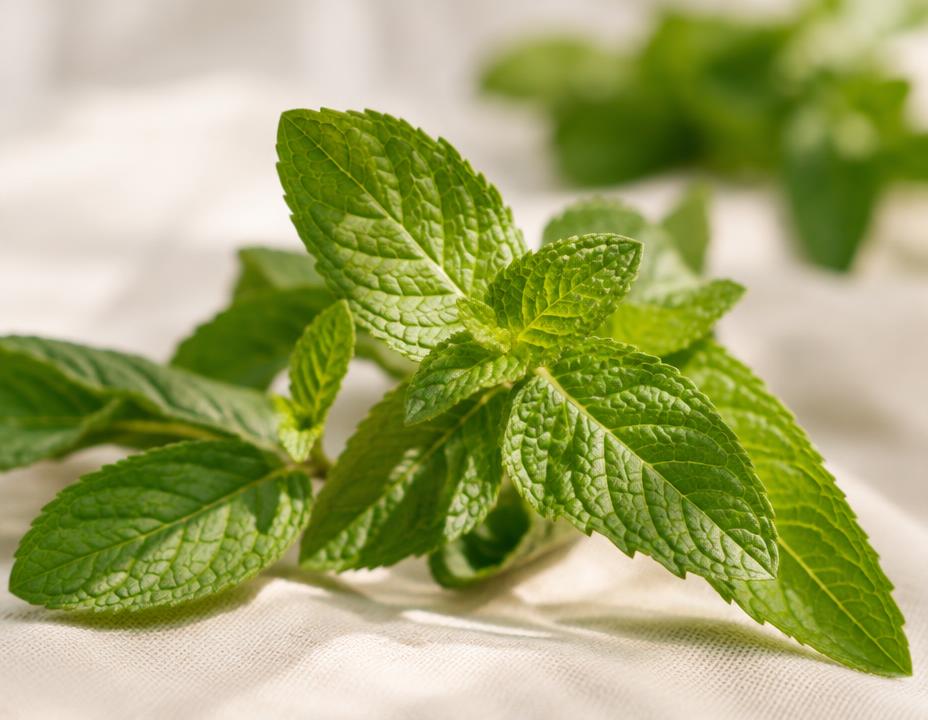
A small bottle can appear economical because you control how much you use. In practice, the cost depends on the number of locations and how often you reapply. Oil on cotton wool loses its strength quickly.
Concentrated oils need careful handling. Follow the instructions, consider the surfaces involved and keep bottles and treated materials away from children and pets. Natural origin does not automatically mean safe.
DIY cotton-wool applications are often suggested online, but they can be forgotten, handled by pets or placed beside food. If you go this route, keep a simple schedule.
Balls and sachets: easier handling and replacement
Ready-made formats make a routine easier because you can count placements and record replacement dates. That convenience matters, because the most common reason natural repellents disappoint is that they're not replaced on time.
MintGuard contains 12 peppermint balls per pack and needs no poison, traps or power. Each placement lasts around 30 to 60 days. Follow the pack instructions and keep it out of reach of children and pets.
For any scented ball or sachet, check where it can be used, how it should be positioned and how you will retrieve it. Do not push products into sealed cavities, electrical equipment or inaccessible insulation.
Sprays, granules and herbs: match the format to the label
Sprays can look convenient for edges and corners, but check surface compatibility before application. Do not spray worktops, food packaging, pet bedding or electrical equipment unless the product explicitly permits it.
Outdoor granules and pellets need particular scrutiny. Check whether outdoor use is permitted, what weather means for reapplication and how to keep the material away from other animals.
Growing mint or placing dried herbs around a shed is inexpensive, but it is too mild to deal with an active problem. Treat these as gardening choices, alongside securing bird seed and repairing doors.
Compare cost properly
Look beyond the pack price. Record the number of placements, the amount at each location and the replacement interval. Then compare the cost of maintaining your actual locations.
For illustration, MintGuard is £39 for one pack, £69 for two, £89 for three and £109 for four, with 12 balls per pack. Four packs therefore cost £27.25 per pack.
The official shop at mintguard.co.uk includes a 90-day money-back guarantee and tracked UK delivery. Check the current terms before buying.
Avoid buying a large bundle before you know how many placements you need. A small, manageable routine is often more sensible than filling rooms that show no activity.
Where to place a natural mouse repellent

Begin with evidence and the product instructions, not a desire to fill every corner. Choose dry, retrievable locations along rodent routes and out of reach of children and pets. Keep products separate from food, utensils and food-contact surfaces.
Good spots include a utility-cupboard edge, protected garage storage or the loft perimeter. The kitchen plinth often works well where the instructions allow. Avoid heat sources, moving machinery and electrical equipment.
For gardens, sheds or damp garages, check the product suits the environment first. Physical repairs and better storage remain essential in every case.
- Map fresh signs before choosing locations.
- Use the quantity and spacing in the instructions.
- Record placement and replacement dates.
- Check nearby areas for displaced activity.
- Remove products that can't stay safely positioned.
Mistakes to avoid and when to call a professional
Don't equate stronger scent with better control, or assume a product for mice will solve a rat problem. Be wary of claims about guaranteed eviction or instant results.
The most expensive mistake is repeatedly buying repellents while ignoring an opening or food source. Secure food and waste, arrange repairs and monitor fresh signs. Plan proofing carefully where animals may already occupy cavities.
Seek professional help for persistent indoor activity, suspected nesting, difficult shared routes or electrical concerns. A natural repellent is a strong part of prevention, but it works alongside finding out what is happening.
Common questions
What is the best natural rodent repellent in the UK?
There's no universal winner. Choose clear instructions, a format that suits your spaces and a replacement interval you can keep to. Long-lasting peppermint balls are popular because they're easy to place and replace. Food control and proofing remain essential.
Does peppermint oil really repel mice?
Mice rely heavily on smell and strong peppermint is widely used to make spaces less attractive. Oil fades quickly, so longer-lasting formats are easier to maintain. Use it alongside food control, inspection and proofing.
Will a natural rat repellent get rid of rats?
It can help make sheds, garages and lofts less inviting, but rats indoors or repeated activity near the building need investigation and often a professional. A scent product can't repair a drain defect.
Are natural mouse repellents safe for pets?
Don't assume so. Ingredients, concentration and access all matter. Follow the instructions and keep products out of reach of children and pets. No poison doesn't mean suitable for chewing or swallowing.
Are peppermint balls better than peppermint oil?
Balls give a clearer handling and replacement routine and last much longer per placement than oil on cotton wool. Oil is more flexible. Compare instructions, ongoing cost and whether you can maintain placements.
How often should I replace a natural rodent repellent?
Use the product's own instructions. MintGuard placements last around 30 to 60 days. Check for fresh activity regularly and get help with an unresolved infestation rather than waiting for replacement day.
Looking for a product? See our rodent repellent page.
Sources and further reading
Written by the MintGuard UK team
Researched from trusted UK sources and checked under our editorial policy. Last reviewed 26 October 2026.