Quick answer
To get rid of mice in the garden, clear bird seed spills, secure compost and bins, store seed and pet food in metal bins, tidy log piles and clutter near the house, and place a deterrent inside sheds and greenhouses. Keep plants trimmed back from walls so mice can't move easily from the garden into the house.
Mice in the garden are often wood mice (field mice), which are a natural part of UK wildlife. The problem comes when they move into sheds, greenhouses and eventually the house. A few changes make your garden much less inviting.
Signs of mice in the garden
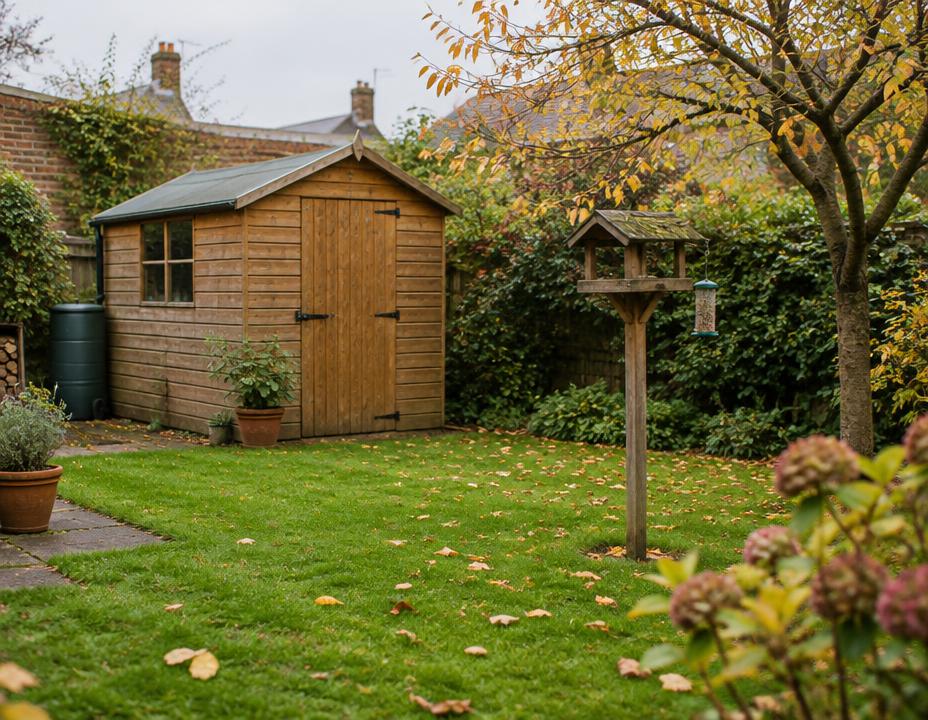
You might see mice around bird feeders at dusk, find nibbled bulbs, seeds and vegetables, or discover nests in the shed, compost bin or greenhouse.
- Eaten bulbs, peas, beans and seedlings
- Droppings in the shed or greenhouse
- Nests in compost bins or under decking
- Activity around bird feeders
- Gnawed seed packets and bags
What attracts mice to UK gardens
Bird feeders are the biggest draw: spilled seed on the ground is an easy meal. Compost with cooked food, open bins, fallen fruit and stored seed in sheds also attract mice.
Long grass, log piles, overgrown borders and clutter against walls provide cover.
1manage bird feeders
Use a seed tray under feeders, sweep up spills regularly, and feed in amounts birds finish in a day. Consider moving feeders away from the house.
2secure compost and bins
Don't put cooked food, meat or bread in compost. Use a closed compost bin with a mesh base. Keep wheelie bin lids shut and clean up around them.
3protect the shed and greenhouse
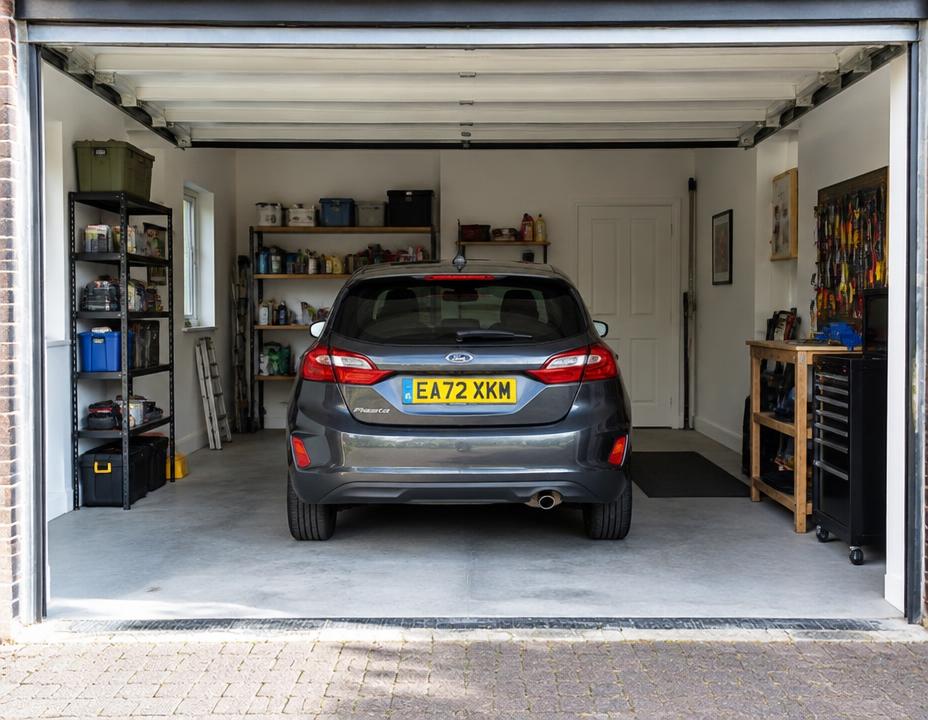
Sheds are ideal nesting spots. Store seed, bulbs and pet food in metal bins with lids. Replace cardboard boxes with sealed crates, and check for gaps under the door and in the floor.
Place MintGuard peppermint balls in shed and greenhouse corners and near stored seed. Each placement lasts around 30 to 60 days. Follow the pack instructions and keep out of reach of children and pets.
4create a buffer around the house
Trim plants and ivy back from walls, keep a clear strip next to the house, check air bricks have mesh, and move log piles away from the walls.
Garden mice and wildlife
Wood mice are wild animals and part of a healthy garden. The aim is to stop them nesting in your buildings and moving indoors, not to remove all wildlife. Avoid poison outdoors: it can harm birds of prey, hedgehogs, pets and other wildlife.
| Approach | Wildlife impact |
|---|---|
| Seed trays and tidy feeding | Positive for birds |
| Sealed storage | None |
| Deterrents in sheds | Low; encourages mice to move on |
| Outdoor poison | Risk to pets, birds of prey and hedgehogs |
When to call a professional
If you see rats rather than mice (larger, with burrows near paths or sheds), or mice move into the house, contact a pest controller or your council.
Common questions
How do I get rid of mice in my garden naturally?
Tidy bird feeding, secure compost and bins, store seed in metal bins, and place natural deterrents in sheds and greenhouses.
Do bird feeders attract mice?
Yes. Spilled seed is an easy meal. Use a seed tray and sweep up regularly.
How do I stop mice eating my bulbs?
Plant bulbs deeper, cover with mesh, and store spare bulbs in sealed containers in the shed.
Will mice in the garden come into the house?
They're more likely to in autumn and winter. Keep a clear strip by the walls and check air bricks and pipe entries.
How do I keep mice out of my shed?
Store seed and pet food in metal bins, remove cardboard, seal gaps under the door and place a deterrent in the corners.
Looking for a product? See our mouse repellent page.
Sources and further reading
Written by the MintGuard UK team
Researched from trusted UK sources and checked under our editorial policy. Last reviewed 26 October 2026.