Quick answer
To rodent-proof your home before winter, trim plants and ivy away from walls, fit mesh to air bricks, seal pipe and cable gaps with wire wool and sealant, fit brush strips to doors, store food and seed in sealed containers, clear loft and garage clutter, and place deterrents in the loft, garage and kitchen before activity starts in October.
In the UK, mice and rats start looking for warm shelter as temperatures drop, usually from October. A weekend of checks in early autumn can prevent most problems before they start, and it's far easier than dealing with an established infestation in January.
Why rodents move indoors in autumn
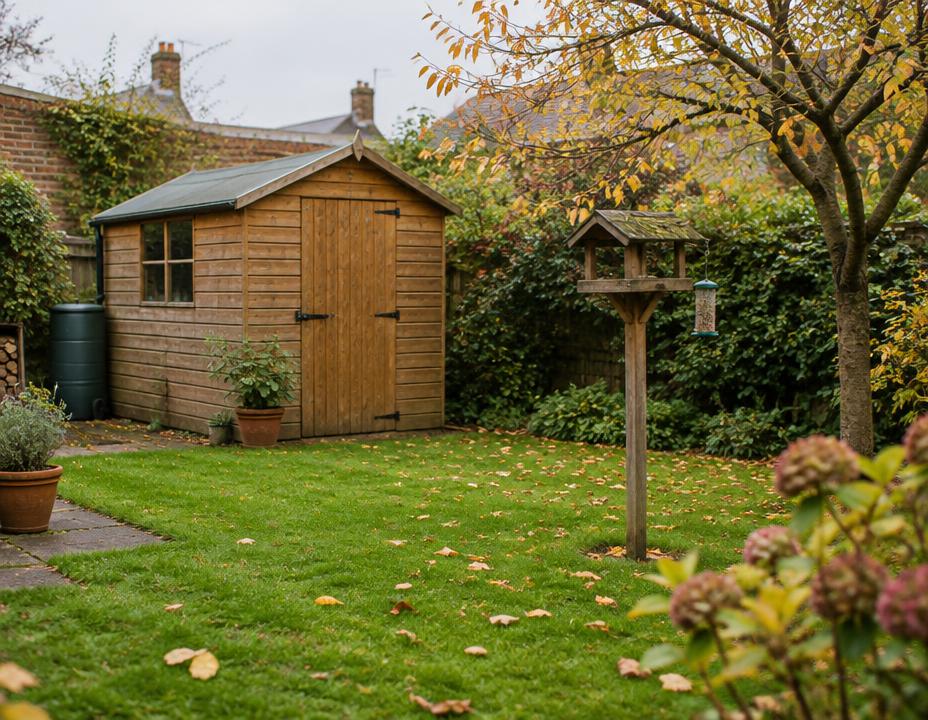
As the weather cools and outdoor food becomes scarcer, mice and rats look for warmth and shelter. Homes, garages, sheds and lofts are ideal. Wood mice in particular move indoors in autumn.
Prevention works best before rodents have found a way in and established routes.
1check outside walls and the roofline
Walk around the outside of your home and look closely at ground level and the roofline.
- Trim ivy, climbers and shrubs back from walls and the roof
- Check air bricks and fit fine metal mesh where damaged (don't block them)
- Look for gaps around pipes, cables and vents
- Check where extensions meet the main house
- Check soffits, fascias and roof tiles from the ground
2seal the gaps
Fill gaps around pipes and cables with wire wool packed tightly and finished with sealant or mortar. Use metal mesh for larger holes. Expanding foam alone can be gnawed through.
Mice can get through a gap of around 6 mm and rats through around 15 mm, so check carefully.
| Gap | Best fix |
|---|---|
| Around pipes and cables | Wire wool plus sealant or mortar |
| Under external doors | Brush strip or rubber seal |
| Damaged air bricks | Replacement or fine metal mesh |
| Garage door edges | Brush or rubber seal |
| Large holes | Metal mesh, then repair |
3deal with food and waste
Move bird seed, pet food and dry food into sealed metal or hard plastic containers. Keep wheelie bin lids closed, don't put cooked food in compost, and clear fallen fruit.
4clear the loft, garage and shed
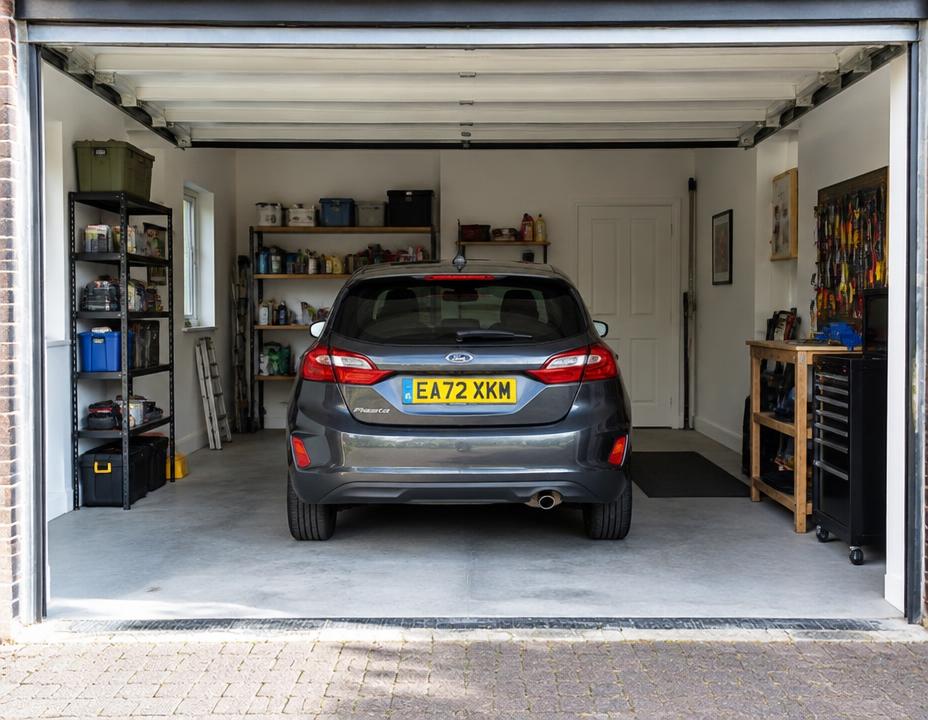
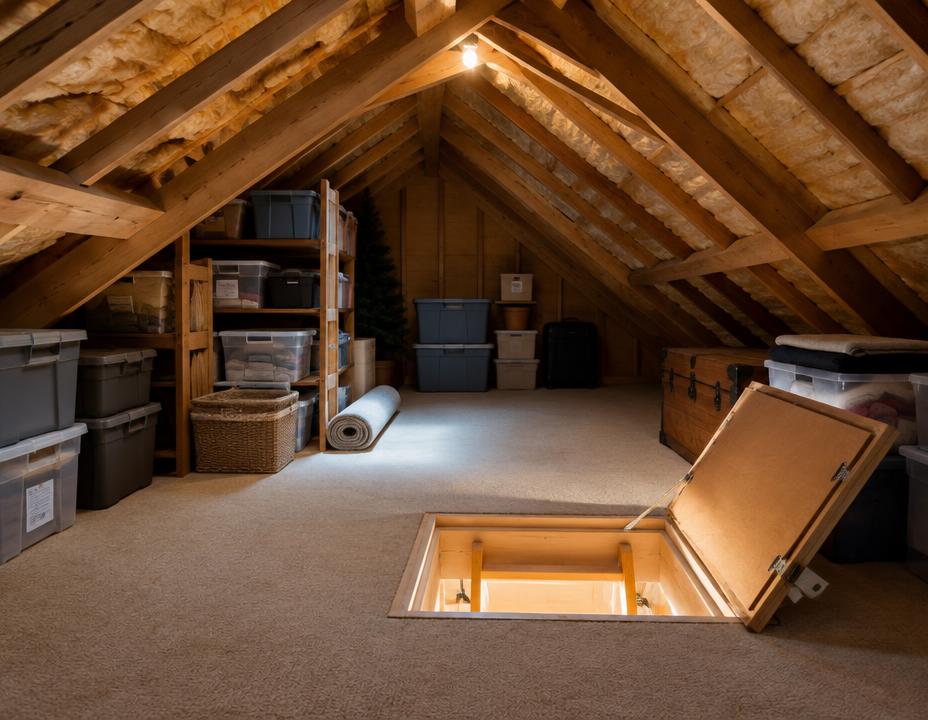
Swap cardboard boxes for sealed plastic crates, clear clutter along walls, and store garden seed and bulbs securely. This removes nesting spots and makes signs easier to see.
5place deterrents before activity starts
Put deterrents down in late September or October so spaces feel unwelcoming before mice settle. MintGuard peppermint balls need no power, so they can go in the loft, garage, shed, kitchen and car. Each placement lasts around 30 to 60 days, so plan to replace them through to spring. Follow the pack instructions and keep out of reach of children and pets.
Your autumn rodent-proofing checklist
Tick these off over a weekend.
- Plants trimmed back from walls
- Air bricks meshed
- Pipe gaps sealed
- Door brush strips fitted
- Food and seed in sealed containers
- Loft and garage decluttered
- Deterrents placed in loft, garage and kitchen
- Replacement reminders set
When to call a professional
If you already have signs of rats, or mice return despite prevention, a pest controller can survey your home and proof difficult areas.
Common questions
When do mice come into houses in the UK?
Activity typically increases from October as temperatures drop, though mice can come in at any time of year.
How do I rodent-proof my house?
Seal gaps around pipes and doors, mesh air bricks, trim plants from walls, store food securely and place deterrents in lofts, garages and kitchens.
What size gap can a mouse get through?
Around 6 mm, roughly the width of a pencil. Rats can fit through around 15 mm.
Should I put mesh on air bricks?
Yes, fine metal mesh keeps rodents out while allowing ventilation. Don't block air bricks completely.
When should I put down mouse deterrents?
Late September or early October, before mice settle in, and replace them through the winter.
Looking for a product? See our rodent repellent page.
Sources and further reading
Written by the MintGuard UK team
Researched from trusted UK sources and checked under our editorial policy. Last reviewed 26 October 2026.