Quick answer
Ultrasonic mouse repellers shouldn't be relied on to clear an infestation. UK guidance raises concerns about the evidence behind their claims, the sound is blocked by walls and furniture, and they need a socket. Prioritise food control, proofing and deterrents that reach where mice actually travel.
A plug-in device looks appealing when you're hearing scratching at night and want a simple solution. Before buying electronic mouse repellers, it helps to understand what they claim, what the evidence doesn't establish and what still needs doing.
Do ultrasonic mouse repellers work in a real home?

The cautious answer is that you shouldn't depend on them for reliable mouse control. A device producing high-frequency sound isn't the same as a device demonstrably removing an infestation. Real homes contain food, shelter and hidden routes that product demonstrations may not represent.
The Advertising Standards Authority's pest-repellent guidance says efficacy claims need appropriate evidence and describes its scrutiny of ultrasonic and electromagnetic equipment. The Bat Conservation Trust also highlights limited research into ultrasonic pest-control effectiveness.
The useful buying standard is evidence of reliable control in relevant conditions, not an illuminated indicator or a list of frequencies on the packaging.
What ultrasonic and electronic devices claim to do
Ultrasonic devices emit high-frequency sound. Some electronic mouse repellers advertise electromagnetic effects, while others combine several features. Adding more named technologies doesn't itself demonstrate better control.
An operating light tells you about the device's electrical status, not whether mice have left.
Sound doesn't spread like a protective coating over a floor plan. Walls, cupboards and stored objects block it, and concealed voids aren't the same as open room space. A socket in one room doesn't protect behind kitchen units or throughout a loft.
| Claim or feature | What to ask | What not to assume |
|---|---|---|
| Ultrasonic output | Is there evidence of reliable mouse control? | That emitting sound clears an infestation |
| Electromagnetic feature | What exact effect is claimed and supported? | That household wiring becomes a barrier |
| Large coverage figure | How was it measured? | That separate rooms and voids are equally protected |
| Variable frequencies | Is there evidence behind the benefit? | That more settings mean better results |
Check the mouse evidence first
Confirm what's happening. Look for droppings, gnawed food packaging, disturbed stored material and repeated sightings. Record the location and date of each fresh sign.
Check kitchen storage, utility pipework and garage animal feed without moving heavy appliances or entering unsafe spaces. If identification is uncertain, ask a pest controller.
A quiet night after plugging something in is weak evidence. Measure the problem using new physical signs.
- Keep a dated record of fresh droppings and damaged packaging.
- Separate old marks from evidence found after cleaning.
- Note changes to food storage and repairs.
- Don't handle droppings or nesting material with bare hands.
Why mice can remain despite a plug-in
A powered device leaves the basic attractions unchanged. Open food is still food, a cluttered cupboard still offers cover and an unsealed service opening still provides a route.
UK house layouts complicate coverage claims. Terraces may have connected spaces, extensions contain service junctions, and mice often travel in concealed areas rather than in front of a device.
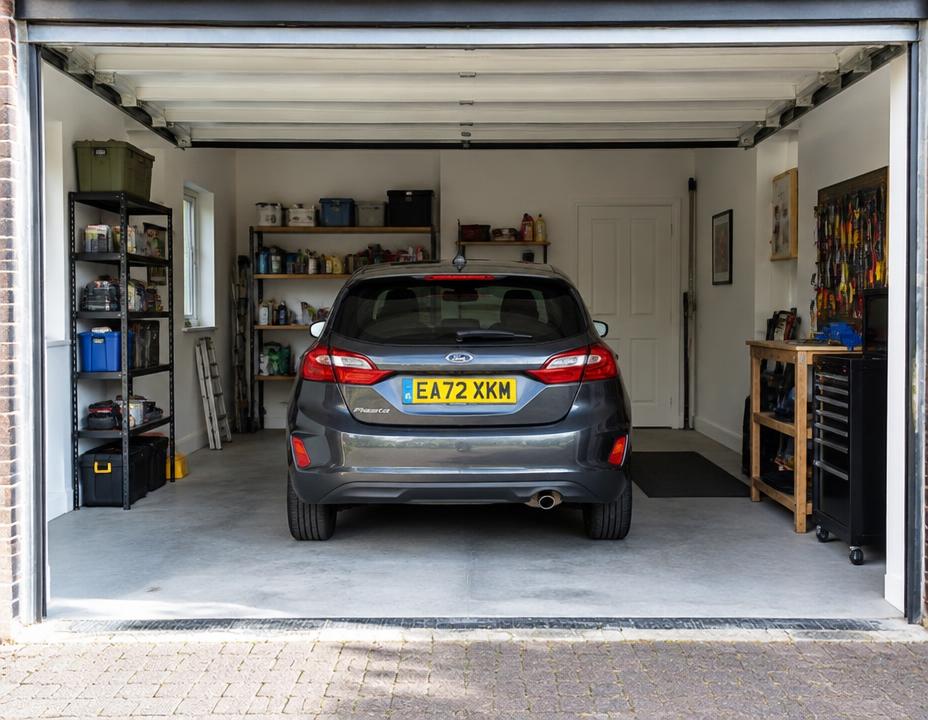
Plug-ins also need a socket, which rules out most lofts, sheds, garages and cars, exactly where mice often nest.
What to do instead: an inspection-led plan
Protect food first. Put opened packets into robust containers with secure lids, clear crumbs and store pet food and bird seed properly.
Inspect building edges and services next. Look for damaged door thresholds, openings around pipes and broken masonry. If animals may still be inside, coordinate permanent repairs with control.
Keep ventilation and drainage working. Don't rely on expanding foam alone, and don't attempt electrical, gas or drainage work yourself.
Deter mice where they actually travel: along walls, behind appliances, near the loft hatch. Then monitor for fresh signs, and book a pest controller if activity persists.
- Secure food and animal feed.
- Clear wall edges for inspection.
- Identify access routes before permanent sealing.
- Place a deterrent on mouse routes.
- Record follow-up evidence.
Pets, children and bats
Don't assume a device suits every animal because it's described as inaudible to people. Homes with pet rodents need particular caution.
If you're concerned about an animal's response, stop using the device and seek veterinary advice.
The Bat Conservation Trust strongly advises alternative approaches where bats could be affected, because disturbance may have legal consequences. If bats are known or suspected in a roof, seek specialist advice first.
Peppermint vs ultrasonic repellers
A scent deterrent works differently: instead of sound that walls block, it places a strong peppermint scent directly on the routes mice use. Like any deterrent, it works best alongside food control and proofing.
MintGuard contains 12 peppermint balls per pack, with no poison, no traps and no power needed, so it can go in lofts, sheds, garages and cars where there's no socket. Follow the pack instructions and keep out of reach of children and pets.
Use dry locations such as a utility-room perimeter, the kitchen plinth where permitted, a garage storage edge or beside the loft hatch. Keep it away from food-contact surfaces and appliance heat.
Each placement lasts around 30 to 60 days. Keep monitoring independently of that schedule.
| Plug-in ultrasonic | MintGuard peppermint | |
|---|---|---|
| Needs a socket | Yes | No |
| Works behind appliances and in cavities | Sound is blocked by walls and furniture | Placed directly on routes |
| Lofts, sheds, cars | Rarely possible | Yes |
| Upkeep | Always plugged in | Replace every 30 to 60 days |
If you already own a plug-in repeller
You don't need to buy more units to justify the first one. Review its instructions and returns policy, then focus on the building and the evidence.
If you keep using it, keep prevention work moving at the same time, and record what you change.
Tell a pest controller what's in use so they can assess the situation accurately.
- Check the instructions and animal restrictions.
- Don't read the operating light as proof of control.
- Inspect access and food before buying extra units.
- Escalate continuing fresh activity.
When to call a professional
Call a qualified controller if fresh signs continue, food is repeatedly damaged, several rooms are involved or activity is behind fitted units. Seek prompt advice if rats may be present.
Ask for identification, an inspection summary, control options and a proofing plan. Discuss children, pets and wildlife.
Do plug-in mouse repellents work well enough to replace this work? Don't rely on them to. Secure food storage, sound repairs and deterrents on the routes mice use are what keep a home mouse-free.
Common questions
Do ultrasonic mouse repellers work?
They shouldn't be relied on to clear an infestation. UK guidance questions the evidence behind their claims, and sound is blocked by walls and furniture. Prioritise food control, proofing and deterrents placed on mouse routes.
Do plug-in mouse repellents work through walls?
Don't assume so. Walls, cupboards and stored objects block sound. Electromagnetic claims are different and need their own evidence; neither replaces repairing entry routes.
How long do electronic mouse repellers take to work?
There's no dependable timescale. Don't use a suggested waiting period as a reason to ignore fresh droppings or food damage. Start practical prevention straight away.
Do sonic mouse repellers affect cats and dogs?
Many are designed above the hearing range of cats and dogs, but pet rodents such as hamsters may be affected. Read the instructions and stop use if you're concerned.
Can I use an ultrasonic repeller in the loft?
Most lofts lack sockets, and the Bat Conservation Trust advises alternatives where bats could be affected. A power-free deterrent beside the hatch and along beams is often more practical.
Is peppermint better than an ultrasonic mouse repeller?
Peppermint places scent directly on mouse routes and needs no power, so it reaches lofts, sheds and cars. Like any deterrent, it works best with food storage and proofing.
Looking for a product? See our mouse repellent page.
Sources and further reading
Written by the MintGuard UK team
Researched from trusted UK sources and checked under our editorial policy. Last reviewed 26 October 2026.