Quick answer
To deter mice and rats in a home with pets, avoid poison and snap traps where pets can reach them. Focus on prevention: store pet food and bird seed in sealed bins, lift bowls at night, seal gaps around pipes and doors, and use scent deterrents placed out of your pets' reach. Contact your vet straight away if a pet eats poison.
Pet owners face a real dilemma: rodents are unwelcome, but many common treatments are dangerous to dogs and cats. The good news is that most mouse and rat problems can be tackled with methods that keep pets out of harm's way.
Why poison is risky for pets
Rodent poisons are designed to kill mammals, and dogs and cats are mammals too. Pets can eat bait directly or eat a poisoned rodent (secondary poisoning). Some poisons cause internal bleeding that only shows days later.
The RSPCA warns about the welfare problems of poison for rodents and the risks to animals that eat poisoned rodents.
Pet-friendly prevention

The safest approach for pet owners is to make the home unappealing to rodents in the first place.
- Store pet food in sealed metal or hard plastic bins
- Lift food bowls at night
- Clean up spilled food and treats
- Store bird seed securely and use a seed tray
- Seal gaps around pipes with wire wool and sealant
- Fit brush strips to doors
- Keep pet bedding areas clean
Comparing methods for homes with pets
Here's how common methods compare when pets are around.
| Method | Risk to pets | Notes |
|---|---|---|
| Rodent poison | High | Direct and secondary poisoning |
| Snap traps | Medium | Can injure paws and noses unless enclosed |
| Glue traps | High | Can trap pets and wildlife; inhumane |
| Ultrasonic plug-ins | Varies | May affect pet rodents like hamsters |
| Scent deterrents | Low if out of reach | Follow instructions; keep out of reach |
| Sealing gaps and food storage | None | The most important step |
Using scent deterrents with pets
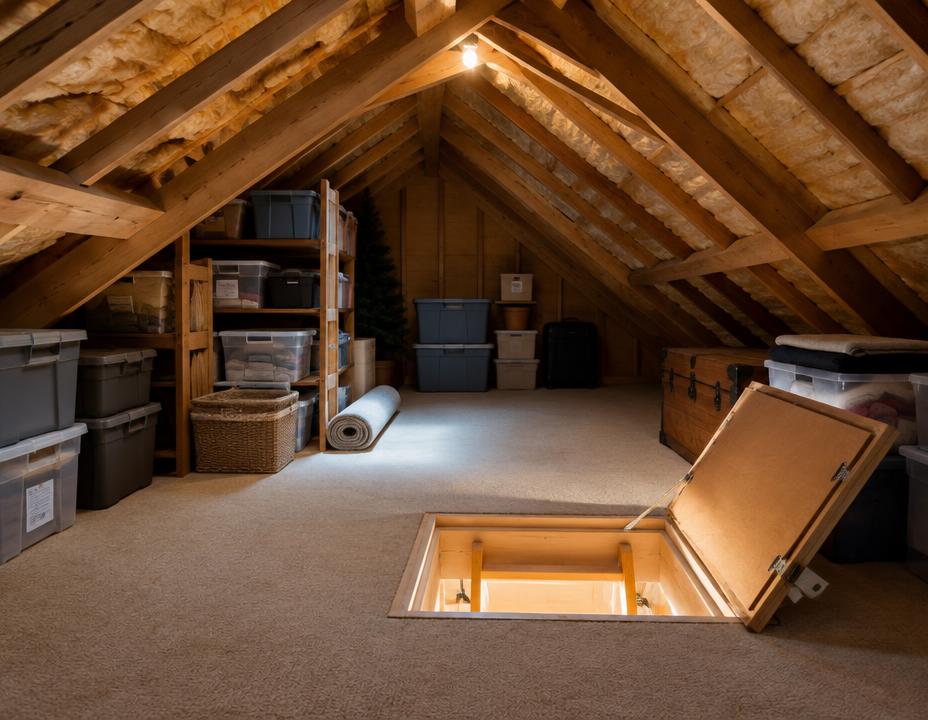
Scent deterrents can be part of a pet-friendly plan, as long as they're placed where pets can't reach them: behind appliances, under the kitchen plinth, in the loft, on garage shelves and in the car boot.
MintGuard contains no poison and needs no power. Each placement lasts around 30 to 60 days. Follow the pack instructions and keep out of reach of children and pets, as with any household product.
Do cats get rid of mice?
Cats may catch the occasional mouse, but they won't stop new mice arriving through gaps, and they can bring mice in from outside. Some cats show no interest at all. Don't rely on a cat as your only plan.
When to call a professional
If you need professional help, tell the pest controller about your pets before they visit, so they can choose methods and placements that keep them safe.
Common questions
How do I get rid of mice safely with pets?
Store pet food securely, lift bowls at night, seal gaps and use deterrents placed out of your pets' reach. Avoid poison and exposed traps.
Is rodent poison dangerous to dogs and cats?
Yes. Pets can eat bait or poisoned rodents. Contact your vet immediately if you suspect poisoning.
Are snap traps safe around pets?
They can injure curious paws and noses. If used, they should be inside enclosed boxes out of reach.
Do ultrasonic repellers affect pets?
They're often designed above cat and dog hearing, but may affect pet rodents. Check the instructions.
Will my cat keep mice away?
Not reliably. Prevention and sealing gaps matter more.
Looking for a product? See our rodent repellent page.
Sources and further reading
Written by the MintGuard UK team
Researched from trusted UK sources and checked under our editorial policy. Last reviewed 26 October 2026.