Quick answer
Natural repellents are best for prevention and light activity, with no dead rodents and no poison. Traps suit a few settled mice but need checking. Poison is best left to professionals for serious infestations because of risks to pets, wildlife and smells from rodents dying in walls. Whatever you choose, sealing gaps and removing food matter most.
There's no single right answer for every home. The best method depends on how big the problem is, whether you have pets or children, and how you feel about killing rodents. Here's an honest comparison.
Natural repellent vs traps vs poison at a glance
Compare the three main approaches side by side.
| Natural repellent | Traps | Poison | |
|---|---|---|---|
| Best for | Prevention, light activity | A few settled mice | Serious infestations (professional) |
| Kills rodents | No | Snap: yes; live-catch: no | Yes |
| Risk to pets/children | Low if out of reach | Medium | High |
| Dead rodents to deal with | No | Yes (snap traps) | Often hidden in walls |
| Upkeep | Replace every 30 to 60 days (MintGuard) | Check daily | Professional monitoring |
| Humane | Yes | Depends on type and checking | Causes suffering |
Natural repellents
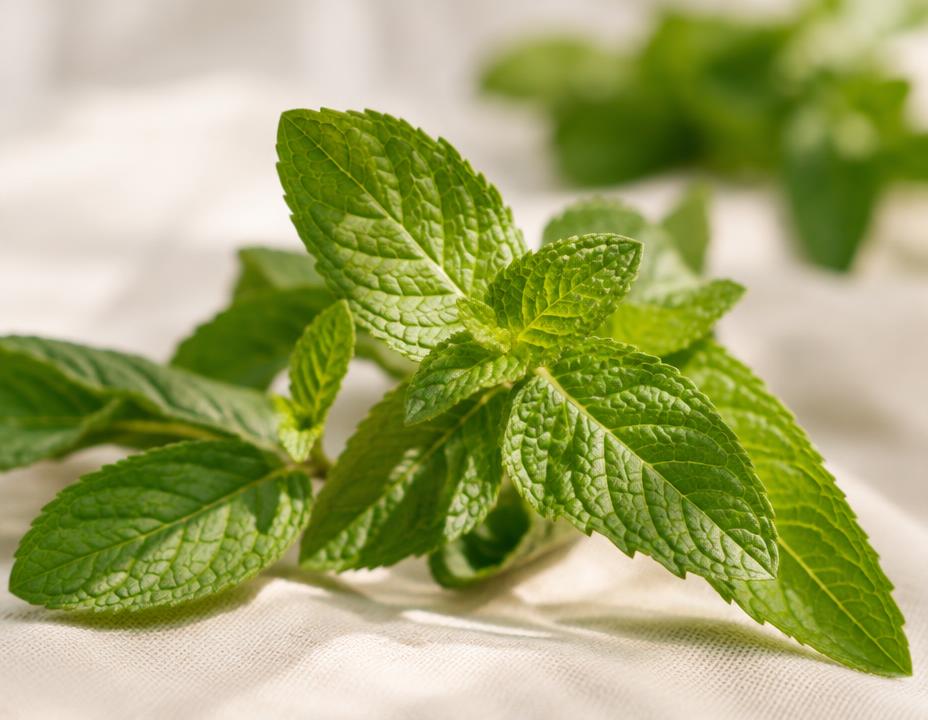
Natural repellents, usually strong scents like peppermint, make the spaces rodents use less attractive, encouraging them to move on. There's nothing to empty and no dead rodents.
They work best as part of prevention: combined with food storage and sealing gaps. MintGuard peppermint balls last around 30 to 60 days per placement, need no power and use no poison.
- Pros: no poison, no traps, humane, works in lofts, sheds and cars
- Cons: needs replacing; not a substitute for professional help with heavy infestations
Traps
Snap traps kill quickly if well made and set correctly, but must be checked and emptied, and can injure pets. Live-catch traps avoid killing but need checking at least twice a day and careful release.
Glue traps cause severe suffering and are now restricted in England for most users. Avoid them.
- Pros: effective for a few mice; you know when you've caught one
- Cons: need daily checking; handling dead or live mice; risk to pets
Poison
Rodenticides can reduce large infestations but carry real risks. Pets and wildlife can eat bait or poisoned rodents, and rodents often die inside walls or under floors, causing smells for weeks.
For serious problems, poison is best handled by a professional who can place it in secure bait stations and monitor it.
- Pros: can tackle large infestations
- Cons: risk to pets, children and wildlife; hidden dead rodents; suffering
Which should you choose?
Match the method to the situation.
| Situation | Suggested approach |
|---|---|
| Preventing mice before winter | Natural repellent plus sealing gaps |
| Occasional droppings in one area | Natural repellent plus food storage and sealing |
| Homes with pets or children | Natural repellent out of reach, sealing, enclosed traps if needed |
| Daily droppings in several rooms | Professional assessment |
| Rats indoors | Professional pest control |
Common questions
Is a natural repellent better than poison?
For prevention and light activity, natural repellents avoid the risks of poison to pets and wildlife and the problem of dead rodents in walls.
Are traps or repellents better for mice?
Traps suit a few settled mice; repellents suit prevention and encouraging mice to move on. Many homes combine prevention with either.
Why shouldn't I use poison for mice?
Poison can harm pets and wildlife, causes suffering, and poisoned mice often die inside walls, causing smells.
Are glue traps legal in the UK?
Their use is now heavily restricted in England for most people. They cause severe suffering and should be avoided.
What is the most humane way to deal with mice?
Prevention: remove food, seal gaps and use deterrents so mice move on.
Looking for a product? See our rodent repellent page.
Sources and further reading
Written by the MintGuard UK team
Researched from trusted UK sources and checked under our editorial policy. Last reviewed 26 October 2026.