Quick answer
Field mice (wood mice) come into UK homes in autumn and winter from gardens and fields. To get rid of them, seal gaps at ground level, keep garage and back doors closed, store food and seed in sealed containers, and place a deterrent in sheds, garages and kitchens. Homes near countryside should check every autumn.
If you live near fields, woods or large gardens, you may find that the mice in your home look different from the typical grey house mouse. They're probably wood mice, often called field mice, and they're very common indoors in the colder months.
How to identify field mice
Wood mice are the most common wild mouse in the UK. They look quite different from house mice.
| Feature | Wood (field) mouse | House mouse |
|---|---|---|
| Colour | Sandy or golden brown, pale belly | Greyish brown, similar belly |
| Eyes and ears | Large eyes and ears | Smaller eyes and ears |
| Movement | Jumps and hops | Scurries |
| Where found | Rural and edge-of-town homes, sheds | Homes everywhere, towns and cities |
| Season indoors | Mostly autumn and winter | All year |
Why field mice come indoors
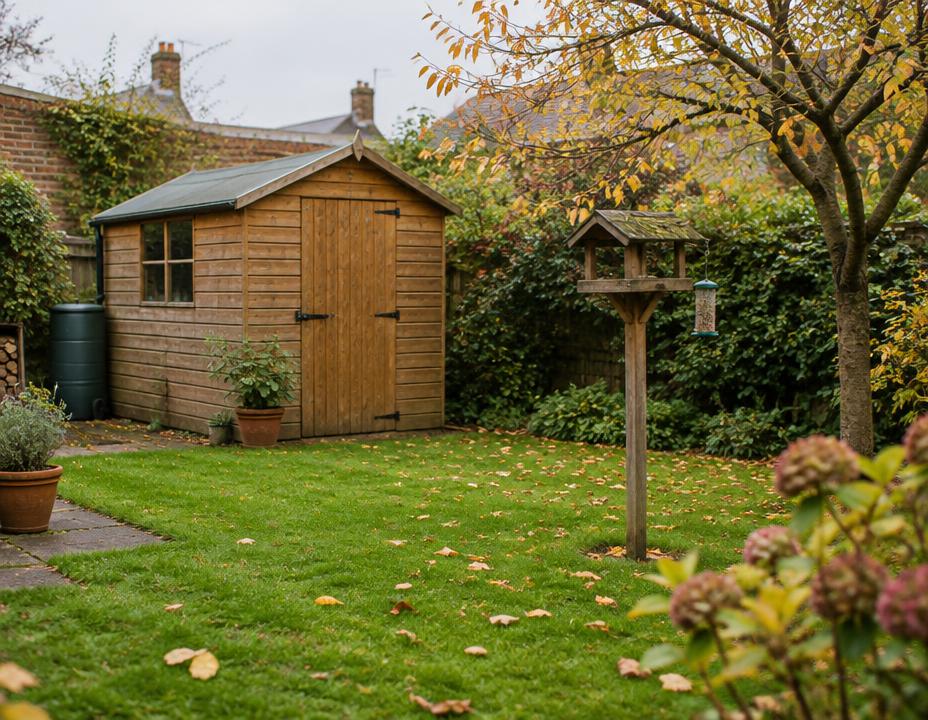
Wood mice live outdoors most of the year, feeding on seeds, berries and insects. As temperatures fall and food becomes scarcer in autumn, they look for shelter and come into sheds, garages and homes.
Homes next to fields, hedgerows and woodland, and those with large gardens or log piles, see the most activity.
Signs of field mice in the house
Field mice signs are similar to house mice, but they're especially fond of stored seeds, nuts and fruit.
- Droppings in cupboards, garages and lofts
- Stashes of seeds, nuts or pet food hidden in shoes, drawers or boxes
- Nibbled fruit and vegetables
- Scratching at night
- Activity in sheds and garages first
How to keep field mice out
Seal gaps at ground level around pipes, air bricks (with mesh), and under doors. Keep garage doors and back doors closed in the evenings. Store bird seed, pet food and fruit in sealed containers.
Place MintGuard peppermint balls in sheds, garages and kitchen corners, especially from October. Each placement lasts around 30 to 60 days and needs no power. Follow the pack instructions and keep out of reach of children and pets.
- Brush strips on garage and back doors
- Mesh over air bricks
- Wire wool and sealant around pipe entries
- Seed and pet food in metal bins
- Log piles moved away from walls
Field mice and the law
Wood mice aren't a protected species, but like all wild animals they mustn't be caused unnecessary suffering. Humane deterrents and prevention are the kindest approach.
When to call a professional
If mice are in several rooms or keep returning every year despite prevention, a pest controller can survey the house for entry points.
Common questions
Are field mice the same as house mice?
No. Field mice are usually wood mice, which are sandy brown with large eyes and ears. House mice are greyer with smaller features.
Why do I have field mice in my house?
They come indoors in autumn and winter looking for shelter and food, especially in homes near fields and woods.
Do field mice leave in spring?
Some move back outdoors as the weather warms, but they may stay if there's food and shelter. Block entry points to stop them returning.
How do I get rid of field mice naturally?
Seal ground-level gaps, store food and seed securely, and place natural deterrents in sheds, garages and kitchens.
Do field mice carry diseases?
Like all rodents they can carry bacteria in their droppings and urine. Clean droppings with disinfectant and gloves.
Looking for a product? See our mouse repellent page.
Sources and further reading
Written by the MintGuard UK team
Researched from trusted UK sources and checked under our editorial policy. Last reviewed 26 October 2026.